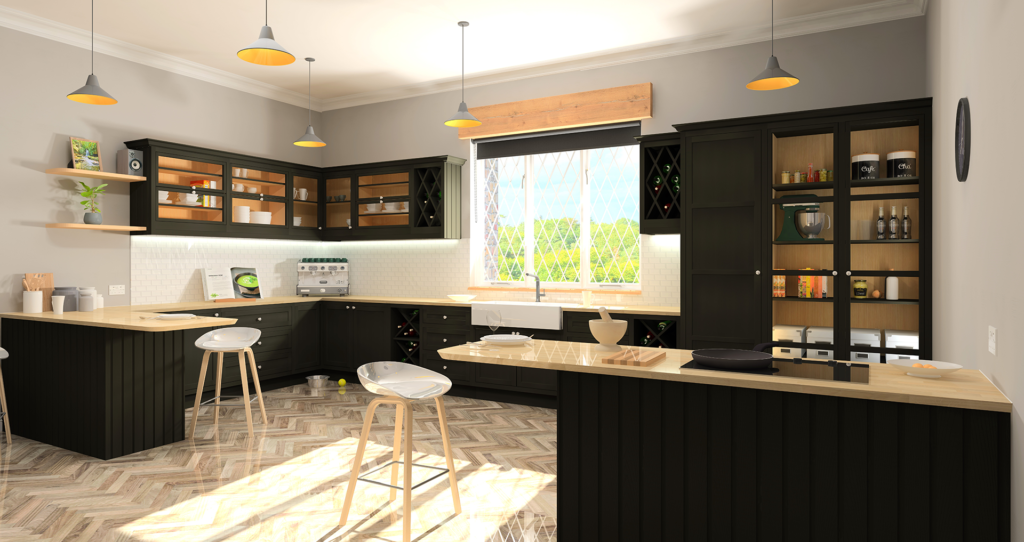
Kitchen, bedroom, and bathroom manufacturers are working in a market where expectations have become more exacting at both ends of the process. Customers want more choice, shorter lead times, and a high-quality finish. Production teams need jobs to move through the workshop with fewer surprises, less wasted board, and clearer information at every handover.
For panel and joinery businesses, the pressure is often felt long before a component reaches the machine. It begins in the way a job is designed, priced, engineered, nested, labelled, and released. A small change in a cabinet detail, a hardware requirement, or a machining strategy can affect material yield, set-up time, assembly flow, and the confidence of the people responsible for getting the work out on time.
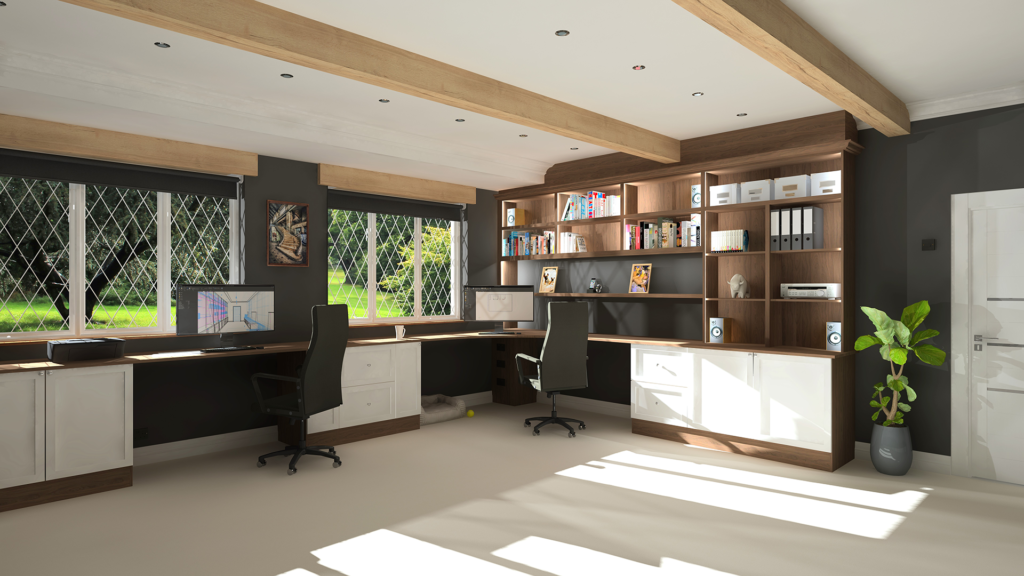
That is why preparation has become such an important performance lever in KBB manufacturing. It is no longer enough for design software to produce a good visual representation or a set of drawings. Manufacturers increasingly need a connected design-to-manufacture workflow that helps turn customer specific designs into reliable production data, without introducing extra manual steps or interpretation on the shop floor.
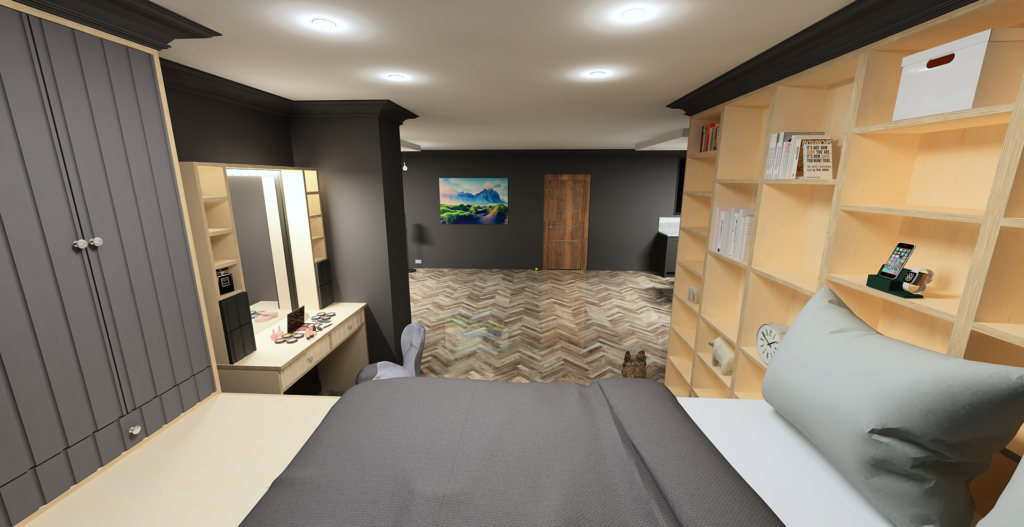
The latest release of CABINET VISION from Hexagon has been developed with that reality in mind. The software is widely used across cabinet and case-good manufacturing to connect design, material optimisation, bidding and costing, cut lists, bills of materials, and CNC output. Its role is to help manufacturers move from screen to machine with greater control, so that decisions made during design and engineering are carried accurately into production.
One of the most important additions is the new True Shape Nesting engine, which delivers nesting performance up to 30 percent faster while supporting better use of sheet material. For KBB component manufacturers, this matters because material is not just a cost line, it shapes margin, planning confidence, and the ability to respond quickly to changing order patterns. Faster nesting can help teams prepare work more efficiently, while more intelligent use of sheet space supports waste reduction and better throughput.
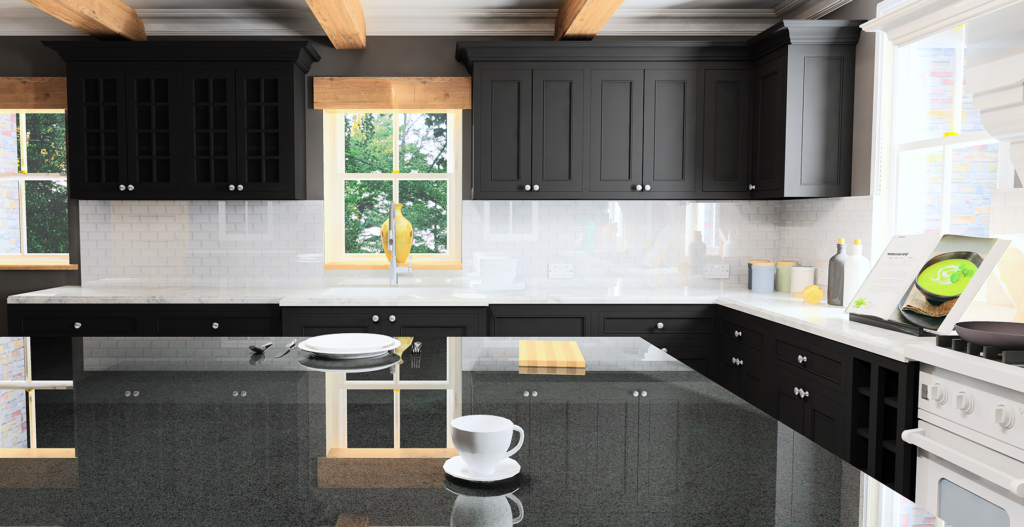
The release also introduces direct formula entry, allowing users to enter formulas directly into value fields. In practical terms, this helps speed up parametric design work and reduces the number of steps needed to create intelligent, repeatable designs. For manufacturers producing made-to-measure kitchens, bedrooms, bathrooms, and fitted interiors, that kind of flexibility is increasingly important. It allows standardisation to sit alongside customisation, helping teams manage variation without rebuilding the same logic again and again.
A modernised preferences interface is designed to make setup and navigation easier, with clearer organisation and a resizable layout. While this may sound like a usability improvement rather than a production issue, ease of use is important in busy manufacturing environments. The faster a team can configure the system, find the right setting, or understand how a workflow is structured, the easier it becomes to maintain consistency across users, sites, and shifts.
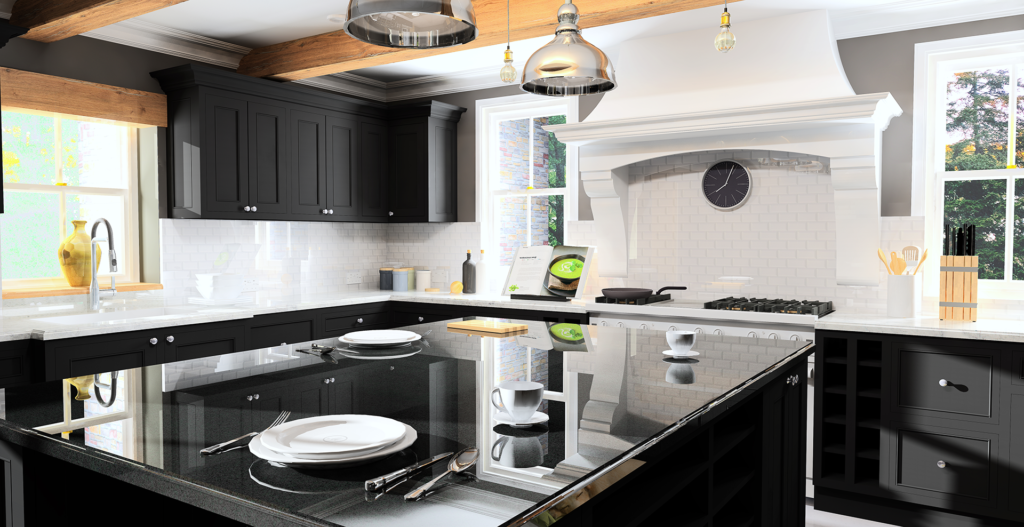
Connection management has also been improved for more complex joinery environments. The new Type column in Connection Manager helps users group, sort, and manage connections more effectively. For businesses handling varied cabinet constructions, fittings, and joinery libraries, better organisation can reduce the risk of inconsistency and help engineering teams work with greater confidence.
The new Blum EasyStick integration is another practical development for KBB manufacturers. Blum’s EasyStick system calculates fixing positions digitally and moves stops automatically to the correct position, supporting precise drilling and shorter set-up times. By enabling data to be output directly from CABINET VISION to Blum EasyStick, the workflow can become smoother for manufacturers using that equipment, particularly those bridging manual and CNC processes.
Shop floor communication is another area where small improvements can make a meaningful difference. The ability to add custom part parameters directly to labels gives production teams clearer information at the point of use. Labels are often the link between the digital job and the physical component. When they carry the right information, operators and assemblers can make better decisions, reduce avoidable questions, and lower the risk of rework.
New machining strategies, including Linear Pockets for Tool Sets, further extend the software’s ability to support specific production requirements, including applications such as MDF door production where finish quality and efficient machining are closely linked.
“Manufacturers in the KBB sector are being asked to deliver more variation, more quickly, without losing control of cost, material use, or quality,” said Chip Martin, Senior Product Manager, Hexagon. “The focus of this release is to make preparation more efficient and more reliable, so that information flows from design to production with fewer gaps and fewer manual interventions.”
For panel and joinery manufacturers, the value of software is increasingly judged by how well it supports real production flow. Does it help estimators, designers, programmers, operators, and assemblers work from the same information? Does it reduce the time between customer approval and machine-ready output? Does it help protect margin by improving material use and reducing avoidable waste?
The latest CABINET VISION release is positioned around those practical questions. Its new capabilities are not simply about adding features, they are about helping KBB manufacturers prepare work more intelligently before material is committed. In a market where customers expect flexibility and production teams need repeatability, that preparation is where speed, quality, and confidence increasingly begin.