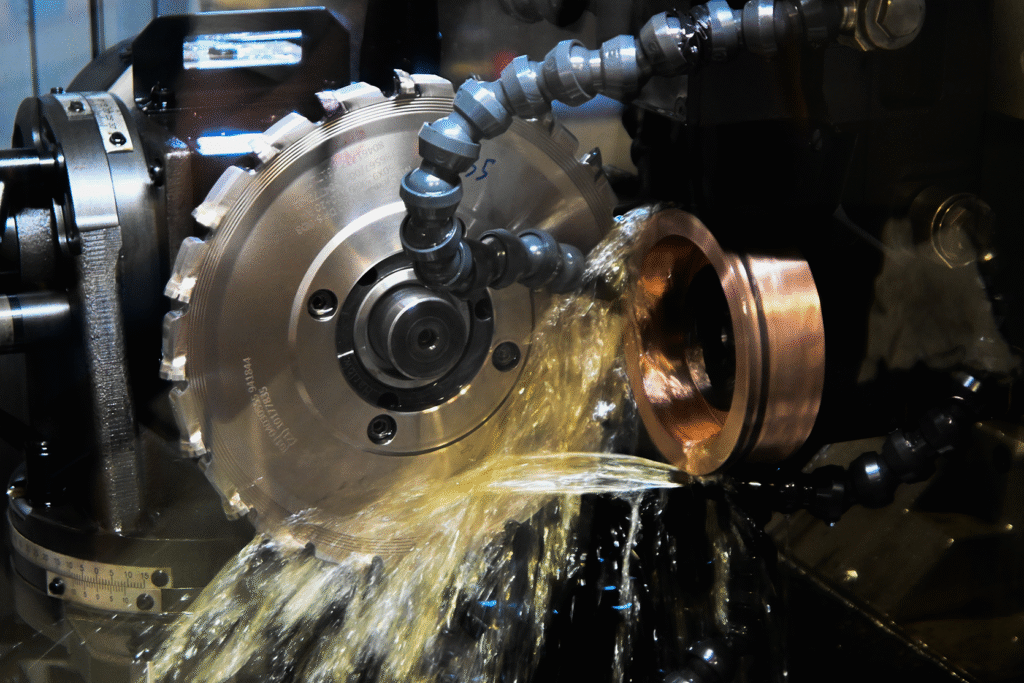
In the dynamic world of panel and joinery production, the selection and upkeep of tooling can often be a major contributor to success or failure on the production line.
From the initial cut to the final finishing process, the performance of saw blades, router cutters, and drill bits directly dictates workpiece quality and has massive implication on finishing processes such as paint application.
The allure of cutting-edge and automated machinery often takes centre stage, but investing in high-performance tooling often leads to improved efficiency, reduced downtime and greater profitability.
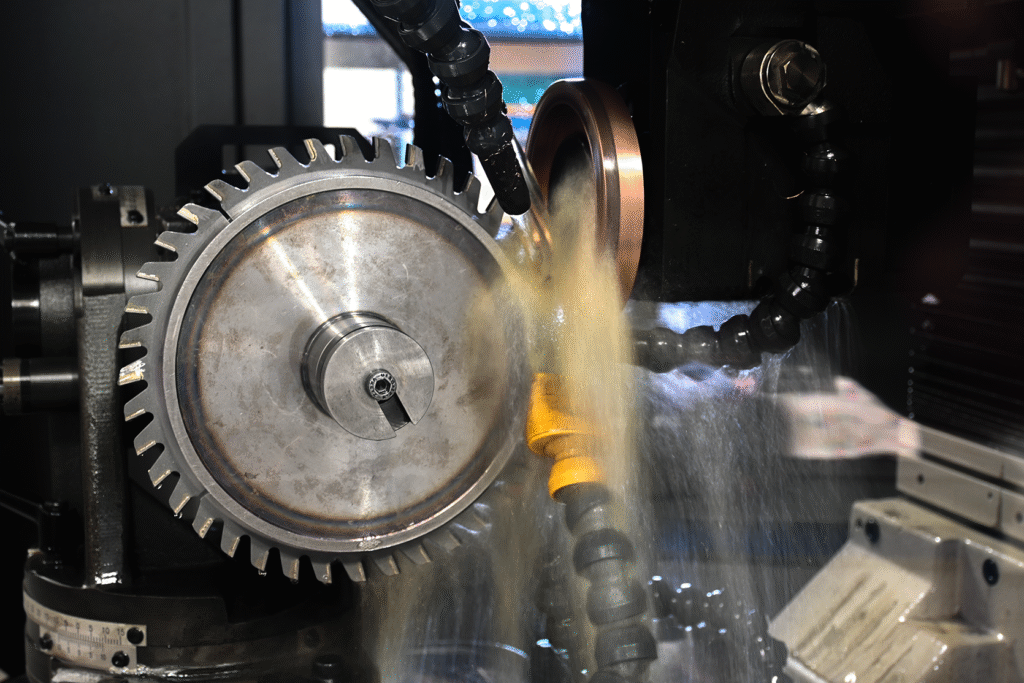
Choosing The Right Tools For Your Application & Machinery:
Choosing the right tool for your application sounds easy, but making the wrong choice can have serious implications on your work’s quality, performance and cycle times. One of the most overlooked aspects in panel processing are the RPM’s and feed speeds of tooling. Lower quality tools that run at slower RPM‘s and feed speeds, typically resulting in greater cycle times, reduced output and poorer surface finish. High quality tooling such as specialist sawblades from Leitz can significantly improve productivity. In 2021, SD manufacturing approached Leitz tooling looking for a way to streamline their panel processing and were introduced to the RazorCut sawblades for panel processing. RazorCut sawblades increased production output to 50m/min from 20m/min, resulting in a 30% increase in panel production for SD manufacturing. The majority of Leitz tools are manufactured from solid carbide for improved feed speed and cutting performance.
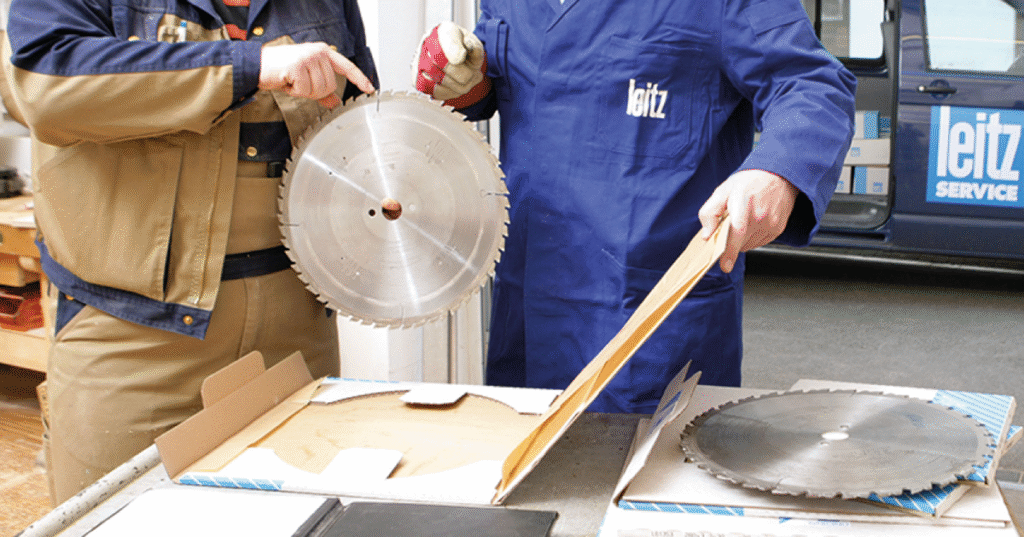
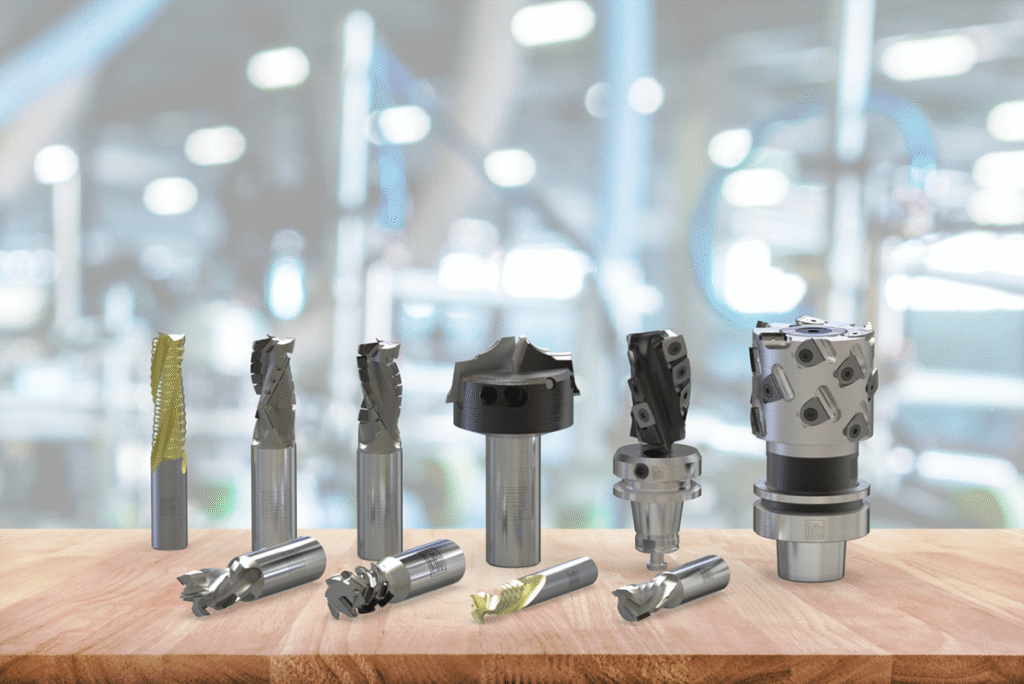
Another major consideration when purchasing tooling is the number of teeth or wings. The number of teeth on a tool has a direct impact on the cutting performance and tool life. The tooth arrangement or geometry can also impact tool life, surface finish and feed / cutting speeds. Tools with a higher number of teeth typically create finer and smoother surface finish. This is because each tooth removes less material, resulting in a more precise and less aggressive cut – which naturally increases the tool life. However, blades with fewer teeth are designed for faster, rougher cuts and may be more appropriate for certain applications. When working with delicate materials like transparent plastics, laminates and solid surface; cutting tools with more teeth are the most suitable.
Creative Homes, one of Scotland’s leading Kitchen manufacturers, has developed a close relationship with Leitz over the last 3 years. Creative Homes manufacture kitchen surface tops with Krion® solid surface and were looking for a way to improve finish quality when sawing. Leitz introduced Creative Homes to BrillianceCut sawblades. Featuring a high tooth count, these sawblades have a special tooth geometry for very smooth cutting surfaces and tear-free cutting edges. This lead to a massive decrease in rework for Creative Homes, and MD Alan commented “The new blades cut through material like butter, with much less wastage and no chipping. Doing it right the first time has been invaluable”.
Correct Tool Maintenance:
Correct tool maintenance is another crucial but overlooked aspect of joinery and panel processing. The vast majority of machinery operators do not maintain and look after their tools.
Simply cleaning your tools after use can have a massive impact on performance and tooling costs. Wood resin, especially from more acidic timbers like Accoya, sticks onto the cutting edges of tools and causes significant wear over time. Over time wood resin can build up on the cutting edge of the tool, changing the tool geometry and negatively impacting accuracy and cutting performance. Wood resin also causes increased friction and heat when machining, other than becoming a fire hazard, this leads to poorer surface finish when machining. Leitz router cutters, such as the UK-Made G-Tec range, are made from specially formulated carbide. Utilising a mixed binder, this carbide grade is highly resistant to leching, resulting in superior durability when processing abrasive or acidic materials like Accoya or MDF. Meaning your tools perform better for longer and typically result in reduced tooling costs.
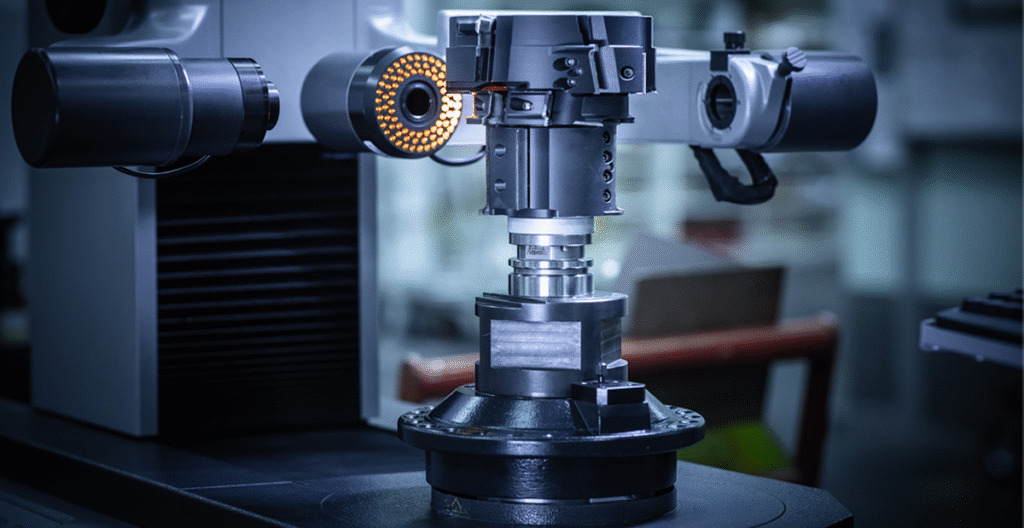
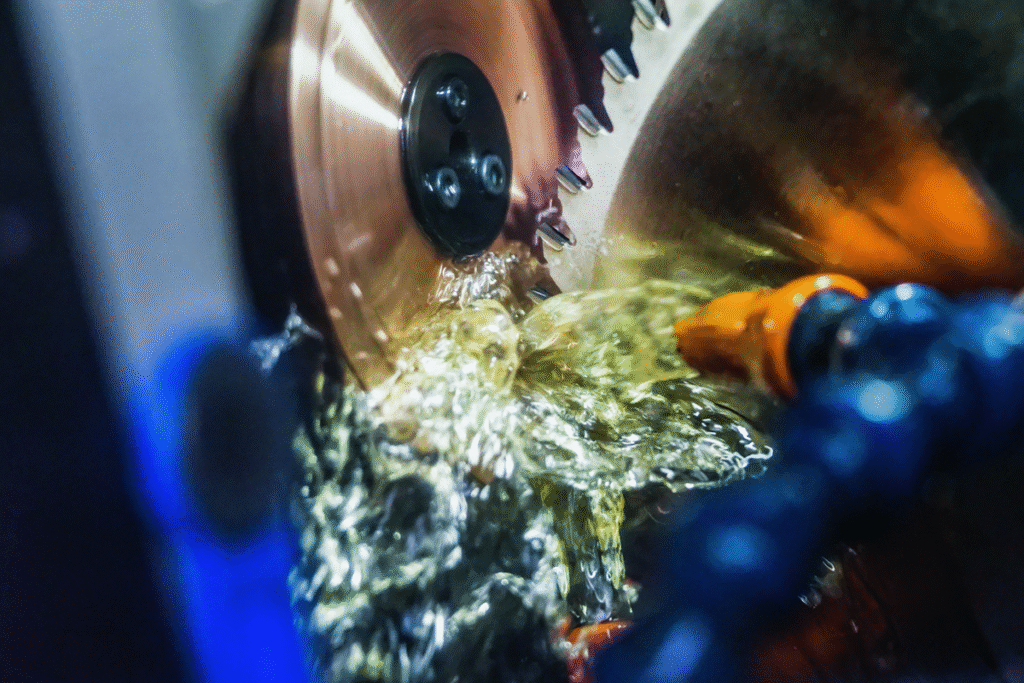
Tool & saw sharpening is another important area of tooling maintenance. Many machinists run their tools to blunt, believing that this lets them get the most out of their tooling. Sharp tools cut through material with reduced cutting forces, resulting in less power consumption and tear out. Because a sharp tool cuts more efficiently, you can often increase feed speeds without compromising cut quality or putting excessive strain on the equipment. This translates to higher production rates and quicker cycle times – directly impacting the bottom line. Leitz Tooling operates a network of 8 saw & tool sharpening facilities across the UK. With a team of experienced and dedicated technicians, Leitz always removes the minimum cutting material ensuing that your tools achieve their maximum tool life. Leitz microscopically checks cutting edges after sharpening to ensure tool performance & consistency.

Saw & Tool Management Systems:
Another way Leitz go above and beyond is their tool management system, Leitz tool management offers their customers a detailed reporting and management system for their tooling. The system includes expected lifetime for tools and tracks the number of sharpens on each tool, allowing customers to know when their tools will reach end of life and enabling them to be prepared with replacement tools. This system is ideal for larger operations with a high quality of tooling and machinery and provides realistic expectations for tool performance based on past data. Leitz Tooling Offers this service free of charge it its customers.
Leitz tooling analyse this data to make technical and machining recommendations. Leitz can see when a tool has not performed as it should and can investigate why – typically leading to process improvements or new tool recommendations for their
Tel: 01279 454530
Email: [email protected]