Elmbridge UK works with joinery manufacturers across the UK to design, supply and optimise spray booth and finishing environments. A consistent theme in conversations with joinery manufacturers is that many finishing operations are already performing well. At the same time, there is often potential to improve production and finish quality through closer attention to the finishing environment. It may reveal opportunities that aren’t immediately obvious.
In many joinery manufacturing environments, the spray booth isn’t seen as a problem area, and rightly so. Finishing operations are often well managed, teams are experienced, and production is consistent and meeting demand. But in high-performing shops, the conversation often moves beyond “is it working?” to a more valuable question: is it supporting the level of consistency, throughput and control the operation now requires, or may need in the future?
A spray booth can be operationally sound, compliant, and familiar to the team, and still be quietly influencing efficiency, finish quality and capacity in ways that are easy to overlook.
From Elmbridge UK’s experience working across a wide range of finishing environments, it is rarely about obvious failure. More often, it comes down to subtle constraints that only become visible when the finishing environment is assessed against the demands of the wider process.
Looking Beyond the Obvious
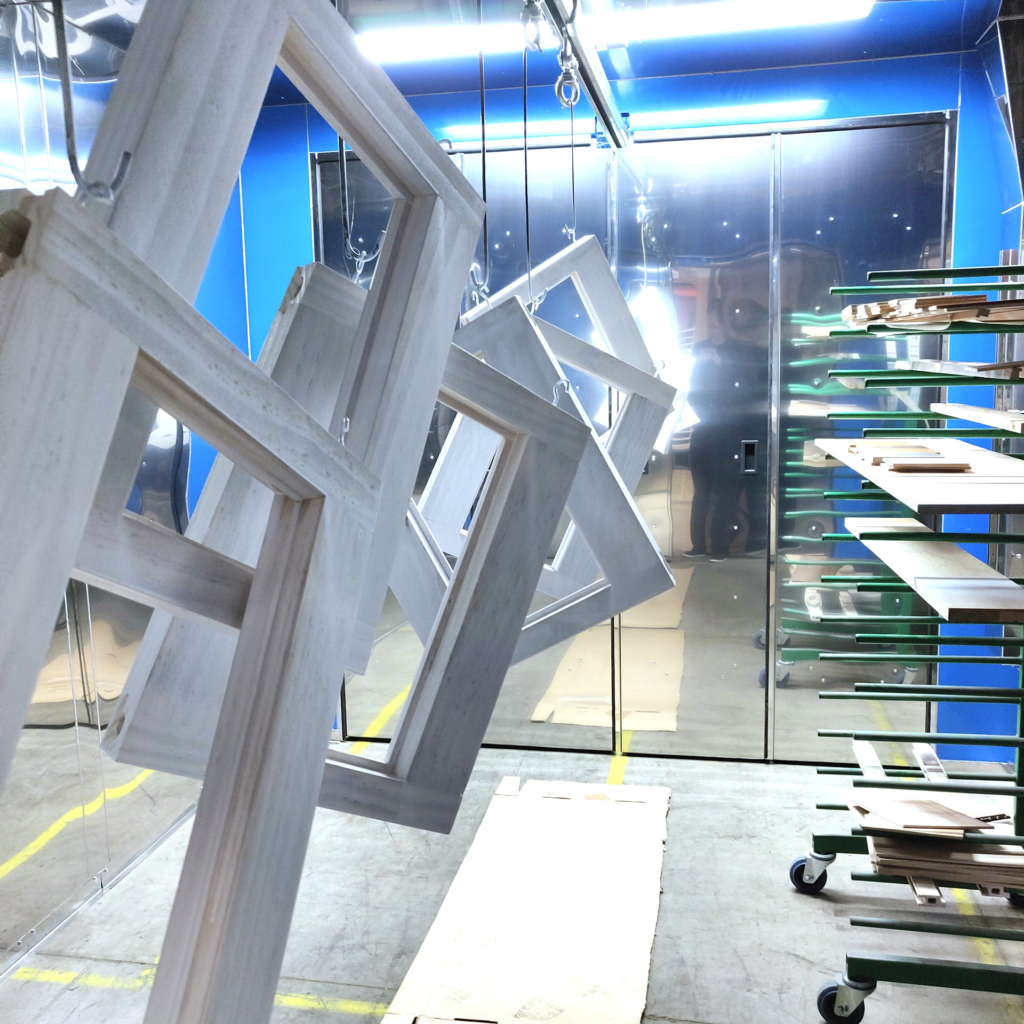
One of the challenges with finishing environments is that they tend to change gradually. Processes are refined over time, operators adapt, and teams develop ways of working that deliver results for today. That creates stability, which is valuable, but it can also mean that small inefficiencies become part of the norm.
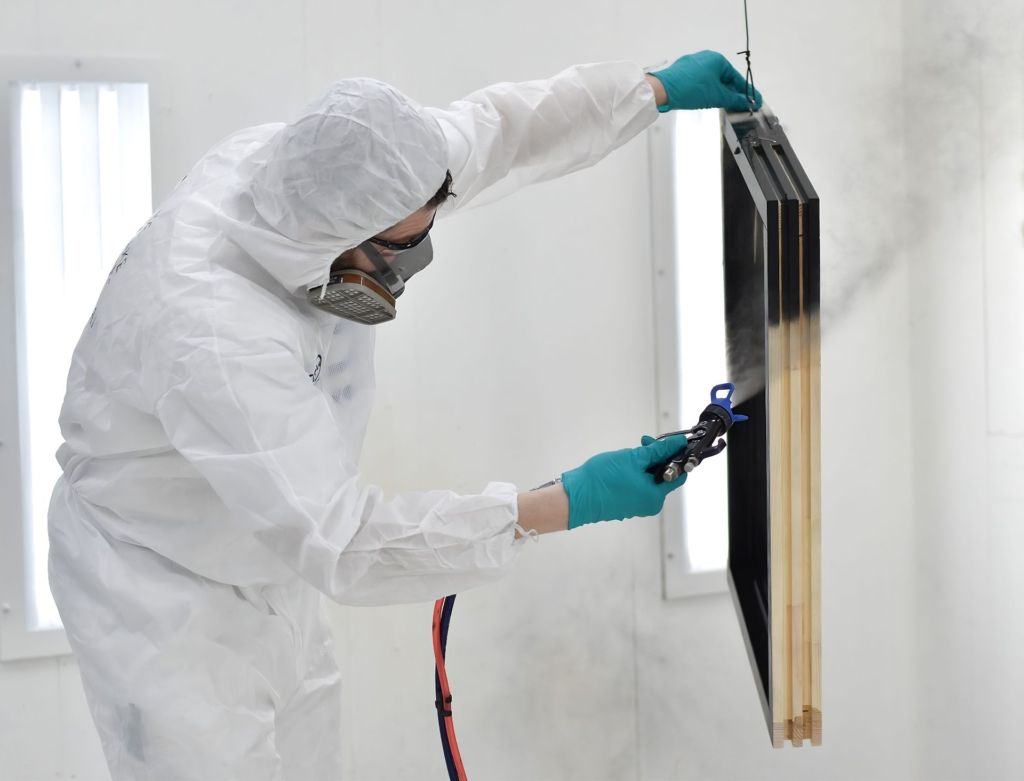
Slight variations in finish quality between shifts are often attributed to technique or material differences. In practice, environmental factors such as airflow balance or extraction performance can influence atomisation and overspray settlement at the point of application. They can also affect film build consistency, particularly over longer production runs.
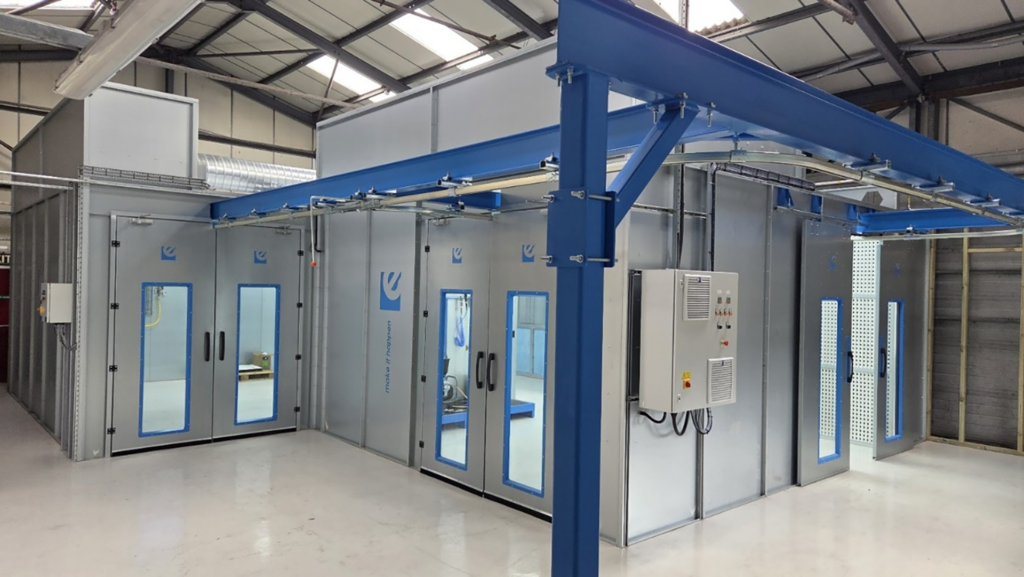
Similarly, when drying times begin to extend slightly, attention often turns to coatings or curing processes. Yet the conditions within the booth, air movement, temperature consistency, and how the space is configured. These can all play a role in how finishes settle between coats.
These are not issues that disrupt production in a visible way. They can sit just below the surface, shaping performance in ways that become noticeable over time.
Where Performance Shows Up in Practice
In well-run spray shops, these influences rarely announce themselves as problems. They show up as patterns. Operators making small adjustments to hold a consistent finish. Output settling at a certain level, even when upstream capacity has grown. The occasional contamination issue that doesn’t have a clear, repeatable cause. Slight but noticeable variation in finish across longer runs.
Taken individually, each is manageable. Most finishing teams will recognise at least one of them. The question worth asking is whether, collectively, they point to an environment that is working reliably but not necessarily working as well as it could. It is not a reflection of poor practice. It’s often the result of a well-specified system that has supported production for years, without ever being reassessed against a changing environment.
Refining What Already Works
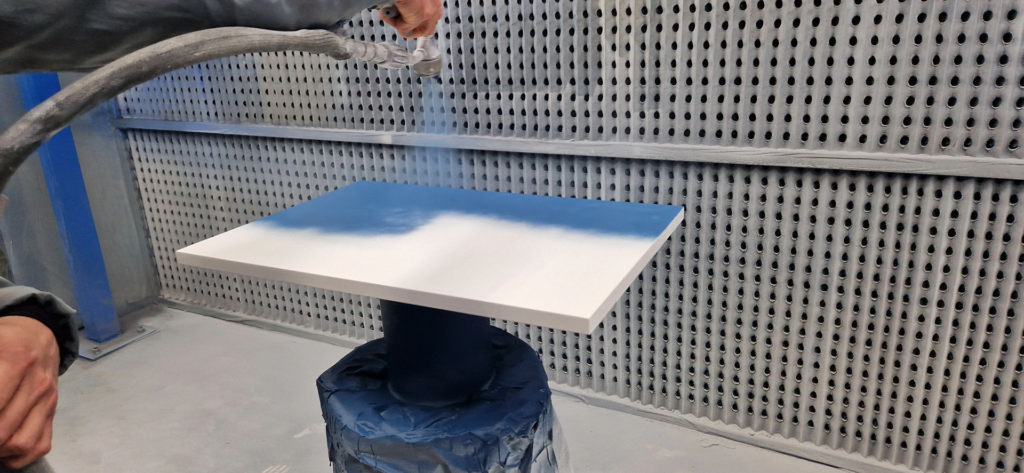
For manufacturers already operating at a high level, there is no need to overhaul the finishing process, but to tweak it. That usually begins with taking a closer look at how the spray environment supports the wider operation. Airflow consistency across the working area directly affects how coatings are applied and how they behave during application. It is not simply a question of overall extraction volume. The balance between extraction and incoming air also plays an important role in both finish quality and drying performance. These are not marginal considerations.
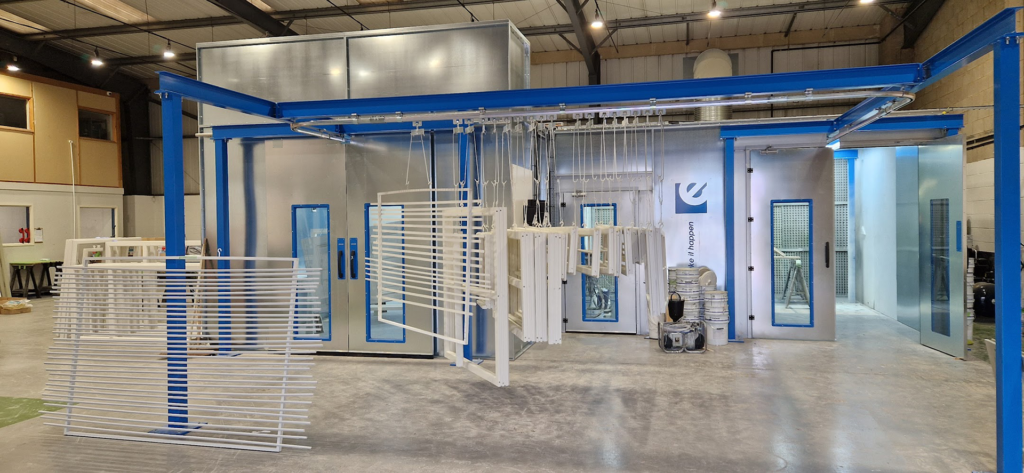
The layout matters too. How components move through the booth, where operators are positioned during application, how loading patterns affect sight lines and turning space. All of these can influence both efficiency and consistency. It can be the same with lighting. Where visibility is limited, finishes get built up unevenly, coverage gets missed, and the margin for variation widens.
When these elements are properly aligned, the spray booth becomes more than just a piece of equipment. It becomes part of a finishing process that supports consistent application, reduces variation, and helps operators work efficiently and with confidence.
Supporting Performance To Changing Demands
As production requirements change, the finishing environment is often expected to do more. Increased volumes, different product types, and the introduction of new coating systems can all place additional demands on the spray booth. What has worked well may not always provide the same level of support under changing conditions. Especially with increased expectations around consistency and production.
Reviewing spray performance isn’t a criticism. It’s a step forward to understand what incremental improvements better support production demand could now and in the future. And the gap between a working booth and one that fully supports production is worth closing.
That’s where Elmbridge UK can help. Working directly with manufacturers, Elmbridge assesses how finishing environments operate in practice. This includes reviewing the coatings being used, the spray equipment setup, and how both interact with the booth environment. By taking this joined-up approach, Elmbridge can identify where relatively small changes can deliver measurable results. It’s a level of support and expertise that goes beyond the booth itself, looking at the finishing process.
The impact of these improvements is not always dramatic or immediate. However, for manufacturers focused on maintaining quality while improving efficiency, refining how the finishing environment supports production can deliver long-term value.