When it comes to manufacturing with solid wood, it has long been rooted in traditional manufacturing methods, with a heavy reliance on skilled manual labour. While craftsmanship remains central to the industry, manual processes are increasingly challenged by modern realities: rising labour costs, skills shortages, material pressures, and heightened safety expectations. As a result, manufacturers are reassessing how work is done on the shop floor.
One of the key drivers of change is safety. Manual machining and handling of solid timber carries inherent risks, particularly in high‑volume environments such as window and door manufacturing. Over recent years, building safety regulations have been brought sharply into focus across the UK. This has introduced the need for industry change, with increasing demand for fire doors, compliant windows, and safer, more traceable production processes to exceed the latest regulations.
At the same time, many businesses are facing resource constraints. Experienced operators and skilled joiners are harder to recruit and retain, and labour costs continue to rise. To remain competitive and maintain throughput, manufacturers are increasingly turning to advanced CNC technology that reduces dependency on manual intervention while improving consistency and operator safety.
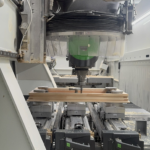
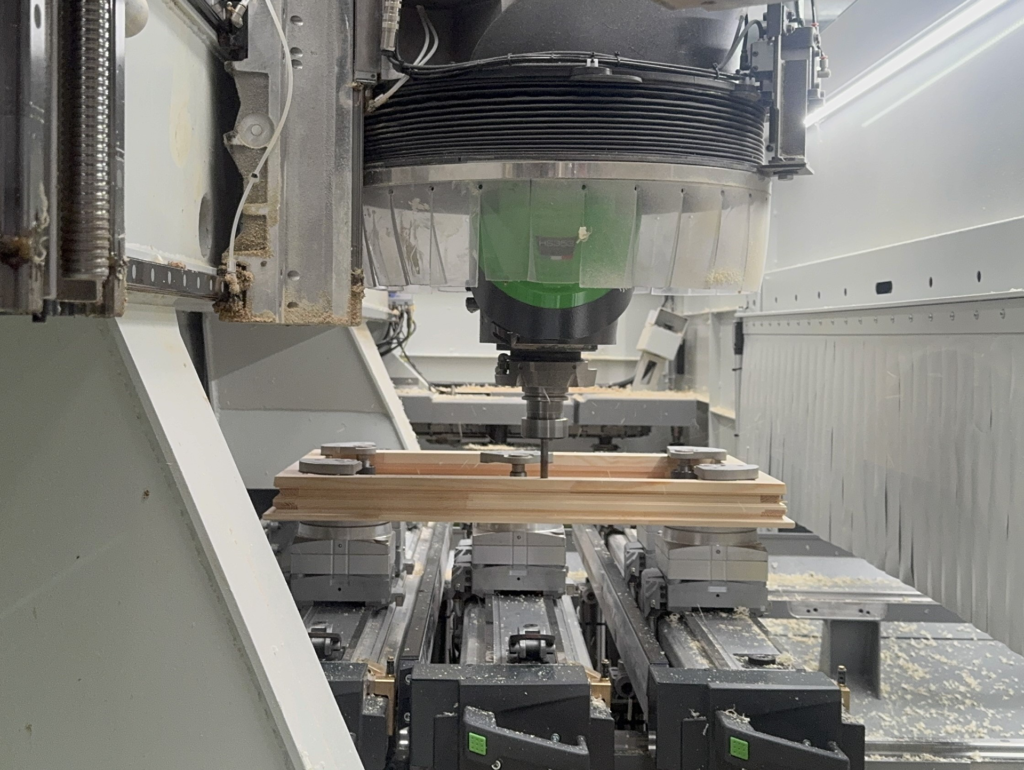
At Biesse, wood machinery has emerged as a strong partner in this transition. Machines such as the Rover Multi Up M G P, with pod‑and‑rail architecture, are seeing growing adoption among UK solid wood windows and door manufacturers. These systems allow complex machining with support from the 5-axis capabilities, allowing jointing, and hardware integration to be completed accurately in a single setup, reducing material waste, rework, and manual handling – all while retaining high quality standards. The Rover Multi Up M G P also offers a conventional pod-and-rail processing application, giving flexibility for businesses to utilise the machine for a wide range of products outside or windows and doors.
As the industry responds to increased order volumes, stricter safety standards, and changing workforce dynamics, CNC automation is no longer just an efficiency upgrade, it is becoming essential for keeping solid wood manufacturing viable, safe, and future‑ready.
Supporting Complexity and Enabling Business Growth
Beyond efficiency and safety, Biesse’s approach to supporting businesses working with solid wood is increasingly focused on helping manufacturers manage growing product complexity. Market demand for bespoke designs, certified fire ratings, and tight dimensional tolerances has placed pressure on traditional production methods. CNC machinery such as the Rover Multi Up M G P are designed not only to produce components accurately and efficiently, but also to support flexible manufacturing requirements that modern businesses face.
The Rover Multi Up M G P enables manufacturers to handle complex joinery, multi‑process machining, and high‑precision operations on a single platform. This level of control allows businesses to consistently meet compliance standards while reducing setup times and human error. Importantly, it also provides the flexibility to switch between product types with minimal disruption, something that is increasingly valuable in a market driven by short lead times and custom specifications.
For many UK manufacturers, this capability opens the door to expanding their product portfolio. Companies traditionally focused on standard solid wood components can diversify into products such as fire‑rated doors, engineered windows, staircase components or bespoke architectural elements without fundamentally restructuring their operations. By investing in adaptable CNC solutions, businesses are not just improving today’s production, but are positioning themselves for sustainable growth in an evolving and more regulated construction environment.
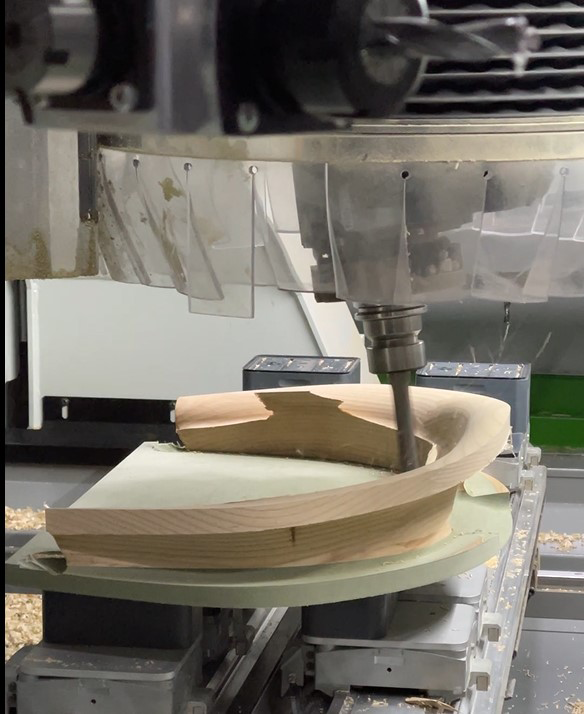
Seeing the Technology in Action
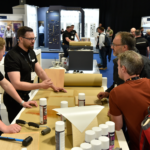
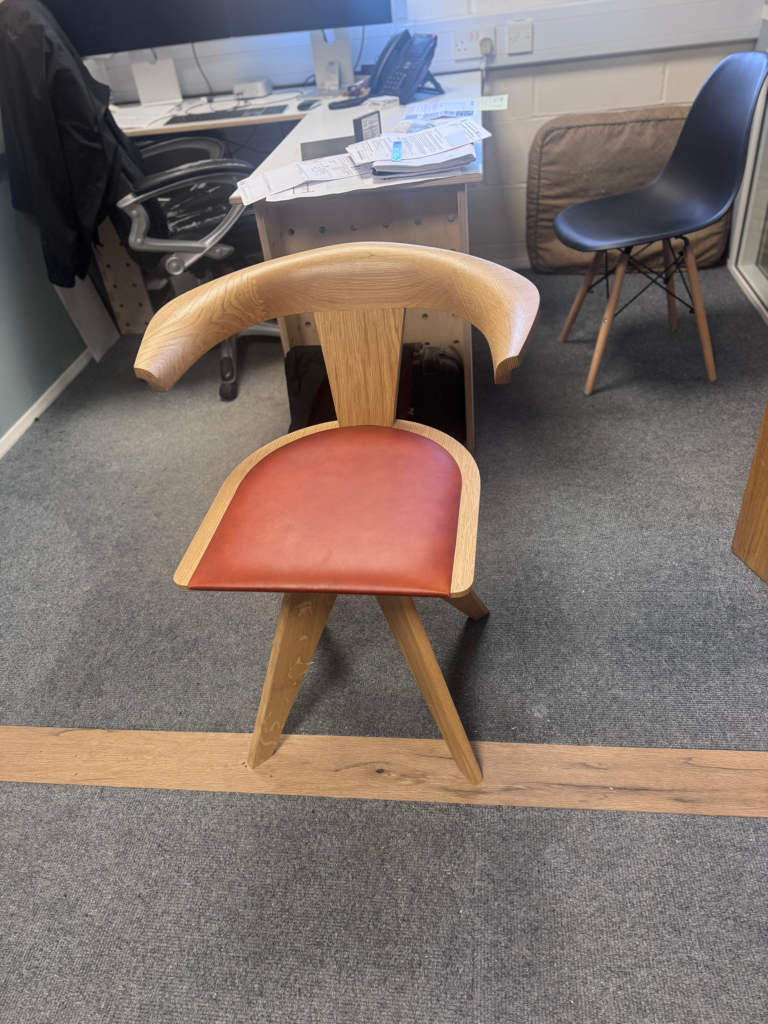
To support manufacturers on this journey, Biesse are running a series of technology events throughout the year, designed to showcase how CNC machinery and software can support complex solid wood applications such as beautifully finished furniture, windows, doors, stairs, and fire‑rated products.
With the next event taking place on 21st May, this will offer manufacturers the opportunity to see machines running live, understand how the software integrates with production, and explore how advanced CNC solutions can replace or support traditional manual processes. Attendees will gain practical insight into how solid wood manufacturing is evolving from conventional methods to automated processes through the latest Biesse technology.